History

To protect, you need to love;
to love, you need to know.
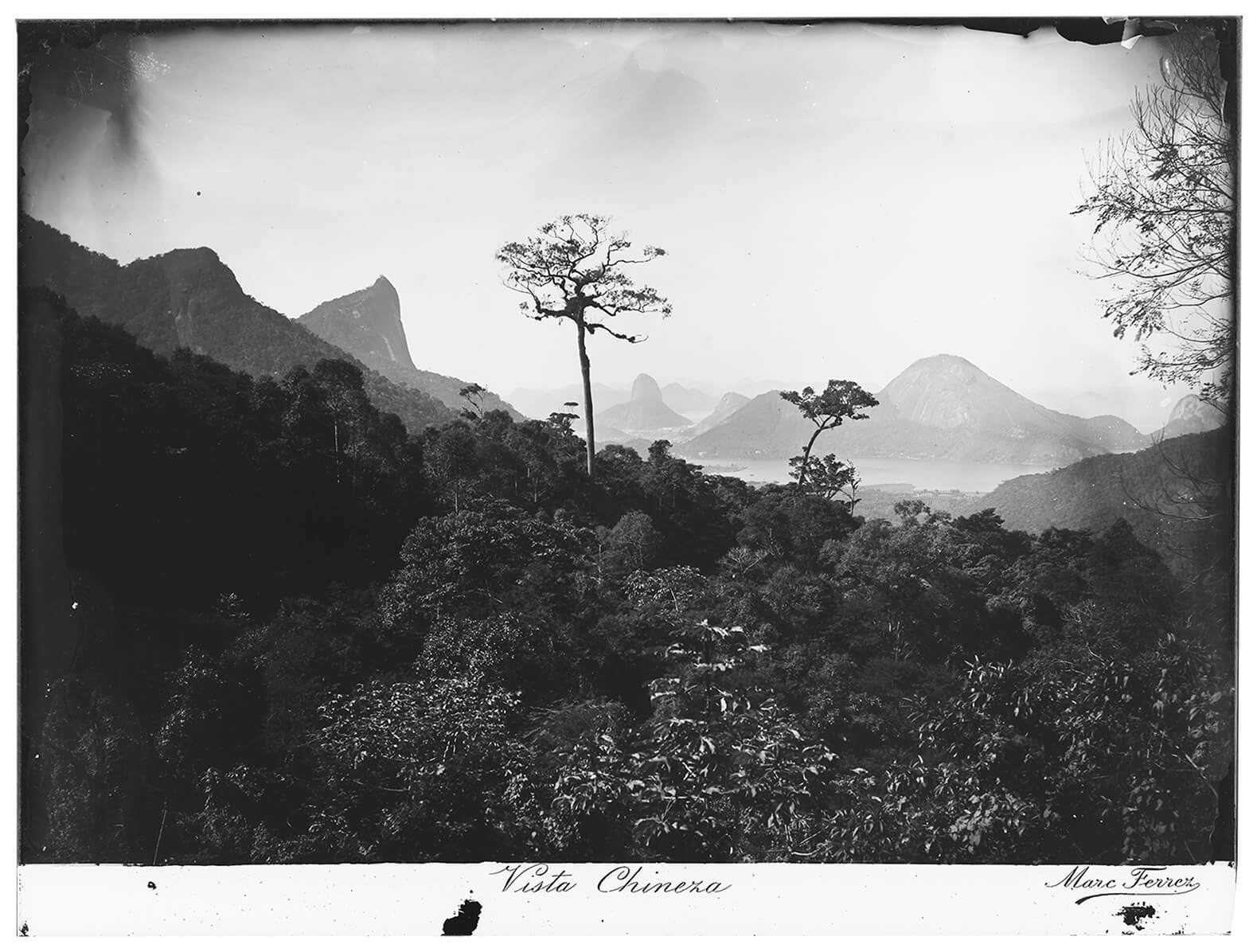
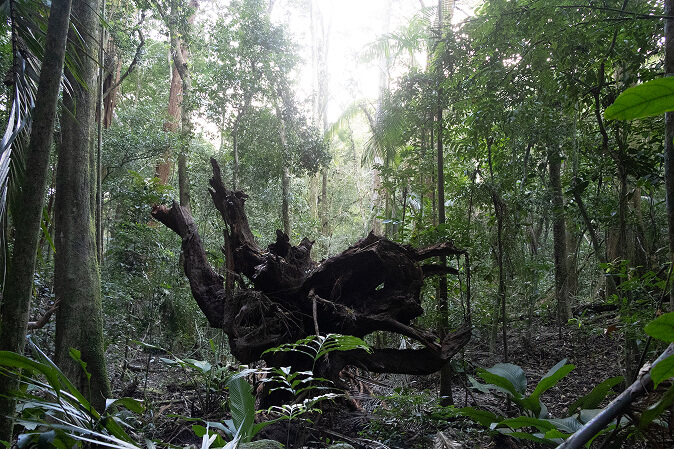
Faced with today’s socio-environmental challenges —especially those linked to the climate emergency— and the global goals for restoring deforested areas, the reforestation of the Tijuca Forest and other national forests within the Tijuca Massif, carried out in the second half of the nineteenth century, shows that with care, dedication, and time, restoration is possible. The Tijuca Forest stands as the longest-lasting and most emblematic reforestation initiative in Brazil, offering a timeless example for building greener, more biodiverse, and socially and environmentally just cities.
Since its foundation, the city of Rio de Janeiro had to deal with problems related to water supply. In the first half of the nineteenth century, the destruction and burning of extensive forested areas, together with the expansion of coffee plantations that replaced the native forest —especially in the Tijuca Massif, where the main watercourses supplying the city originated— made this problem even more severe. Urgent measures were therefore required to prevent a deeper crisis.
As early as 1817, with the “Decree prohibiting the cutting of trees, timber, firewood, and vegetation in all areas surrounding the springs of the Carioca River,” there was already some concern for the conservation of Rio de Janeiro’s forests. However, it was from 1861 onward, with the Ordinance of December 11, which established the “provisional instructions for the planting and conservation of the Tijuca and Paineiras forests,” that this story truly began to change.
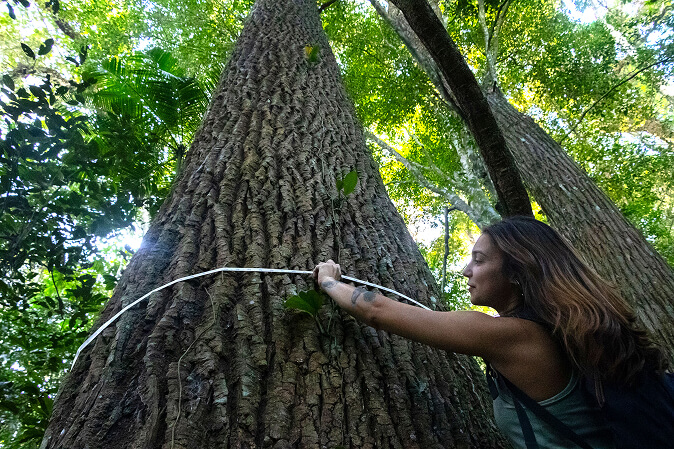
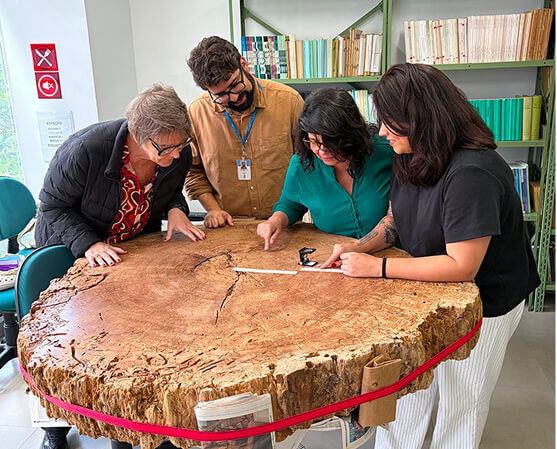
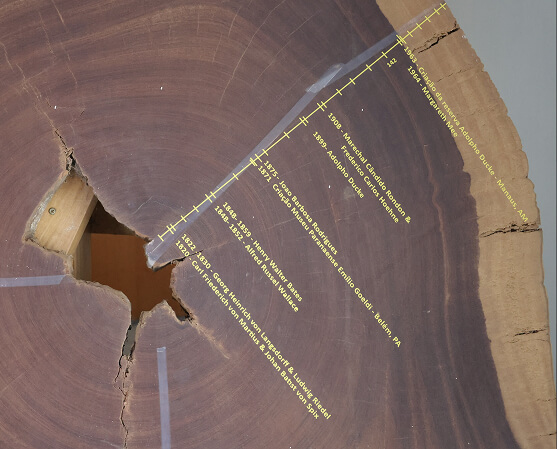
In the second half of the nineteenth century, especially between the 1860s and 1890s, more than 150,000 seedlings —mostly of native species— were planted to restore the deforested areas. Among them were cedar, jequitibá, brazilwood (pau-brasil), and ironwood (pau-ferro), emblematic species of Brazil’s flora. Some of the seedlings, only 30 centimeters tall when planted at that time, can now be found as trees exceeding 30 meters in height - living records of the forest’s history.